

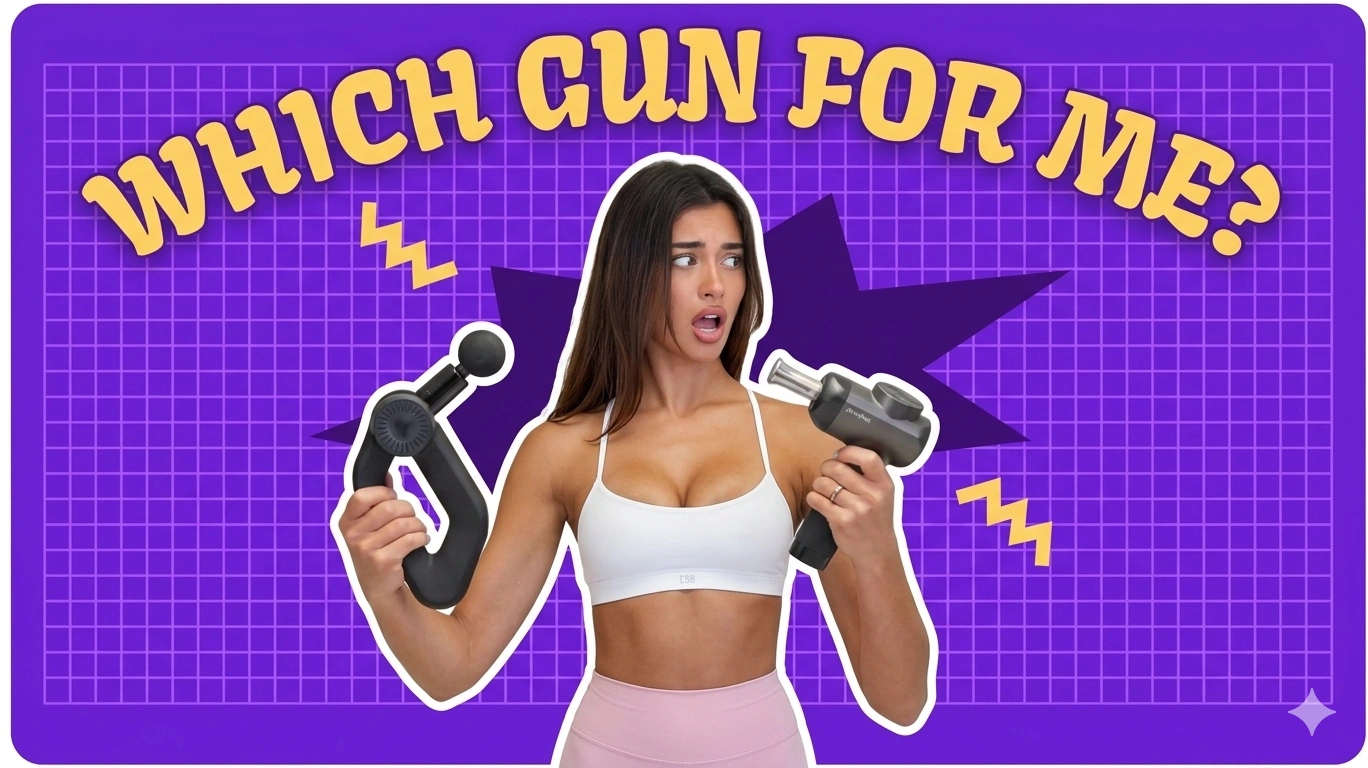
Massage guns have become the ultimate “recovery hack” in gyms and offices. But while you enjoy that deep-tissue sensation, improper use could turn this wellness tool into a medical hazard.
Can using a massage gun blood clot risk increase unexpectedly? While percussive therapy devices have become the ultimate recovery tool in modern gyms and office spaces, improper application near vital vascular structures poses a severe, hidden medical hazard that every user must understand before their next workout session.
“Arterial damage can lead to a blood clot (thrombus). If that clot dislodges and travels to the brain, it can cause a stroke.” — Clinical Safety Analysis
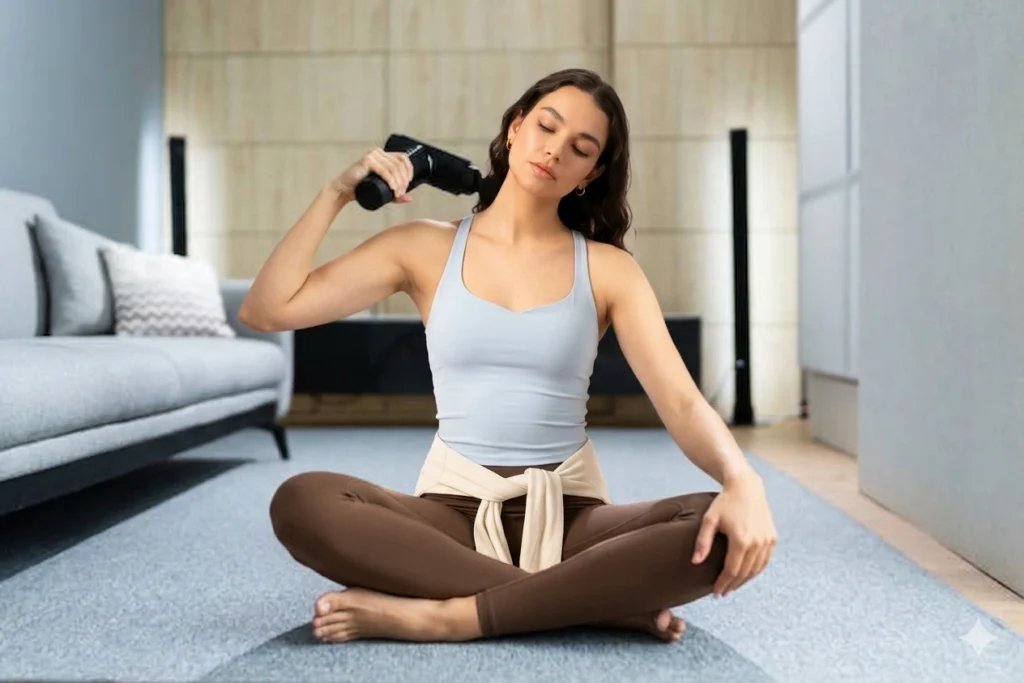
⚠️ THE HIDDEN DANGER: Massage Gun Blood Clot and Medical Risks
According to expert physical therapist Khalid, massage guns are not inherently risk-free. Clinical cases have shown that improper or aggressive use can lead to life-threatening conditions:
- Neck Crisis: Using the device on the front or sides of the neck can damage the carotid artery or vertebral artery walls.
- Extreme Trauma: Overuse or hitting the wrong spots has been linked to Rhabdomyolysis (muscle tissue breakdown) and Hemothorax (blood in the lungs).
“The Critical Danger of Deep Vein Thrombosis (DVT)
Beyond cervical artery damage, individuals with undiagnosed deep vein thrombosis (DVT) must exercise extreme caution. DVT typically involves silent blood clots pooling within the deep veins of the lower legs or thighs.Applying the intense, rapid percussive force of a massage gun directly to a sore, swollen calf might feel like therapeutic relief, but the kinetic energy can inadvertently dislodge an existing latent blood clot. Once freed into the bloodstream, this mobilized thrombus can rapidly travel to the lungs, triggering a sudden and potentially life-threatening pulmonary embolism (PE). If you experience persistent, localized leg warmth, swelling, or unexplained redness, completely avoid percussive therapy devices and seek immediate medical evaluation.”
🧠 THE SCIENCE: Does It Actually Boost Performance?
Based on scientific evidence (e.g., Kujala et al. 2019 and Konrad et al. 2020) analyzed by Khalid:
- No Strength Gains: Pre-exercise use does not significantly improve muscle power or explosiveness.
- Improves Flexibility: Studies show an 18% improvement in ankle dorsiflexion after 5 minutes of use.
- The Placebo Effect: While it makes you feel good, it is primarily a relaxation aid influenced by marketing psychology.
⛔ THE “NO-FLY” ZONES: Safety First
| Forbidden Area | Risk Factor | Potential Injury |
| Front/Sides of Neck | Carotid Artery & Nerves | Arterial Dissection / Stroke |
| Armpits / Inner Arm | Brachial Plexus & Vessels | Nerve Damage / Numbness |
| Behind the Knees | Popliteal Artery & Nerves | Vascular Rupture |
| Bony Prominences | Lack of Muscle Padding | Periosteal Inflammation |
| Internal Organs | Sensitive Tissue | Organ Trauma |
🔨 PRO GUIDE: Choosing the Right Attachment
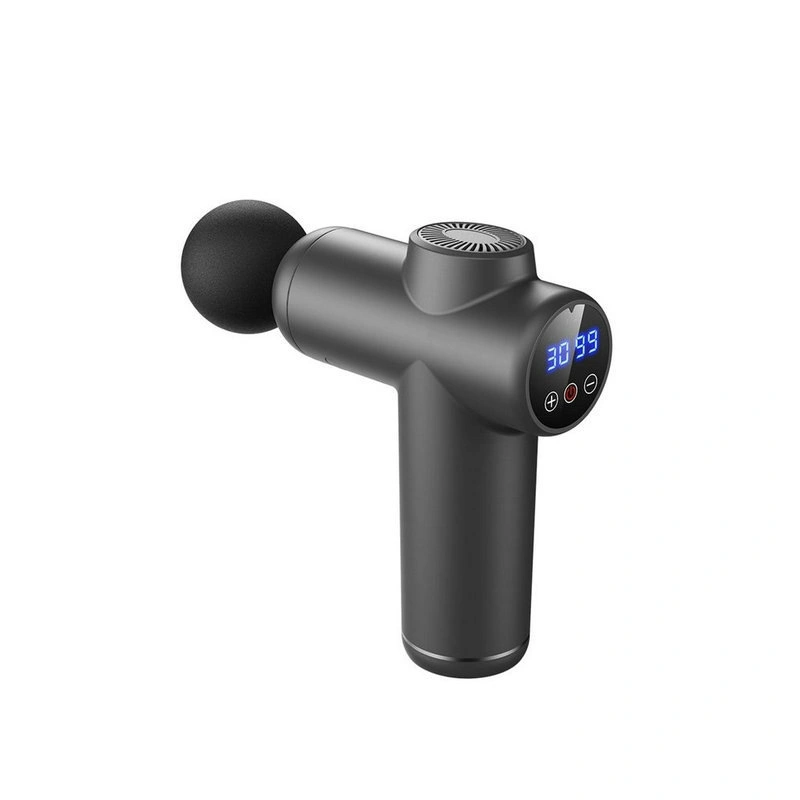
- Round/Ball Head: Made of soft foam; best for large muscle groups like glutes and thighs.
- U-Shaped Head: Designed to straddle the spine or Achilles tendon, avoiding direct bone impact.
- Bullet Head: Concentrates force for deep trigger points. Limit to 15s per spot.
- Flat Head: Provides a harder impact for general muscle shaping.
⏱️ THE DO’S AND DON’TS: Recommended Timing
- Shoulders/Neck (Traps): 15–20 seconds per spot; max 1.5 mins total.
- Thighs/Glutes: 30–60 seconds per spot; max 3 mins total.
- Technique: Always glide slowly along the muscle fibers.
To ensure your home wellness routine remains completely safe, always follow standard percussion therapy guidelines. Avoid holding the device stationary on a single muscle knot for over two minutes, and entirely steer clear of bony areas, major blood vessels, or open wounds to prevent internal tissue damage.
The massage gun is a tool
To make you feel better and move more free.
Avoid the danger, follow the rule,
And master the art of recovery.
Leave a Comment
You must be logged in to post a comment.