Have you also fallen into the habit of “accounting-style” fitness—sitting at your desk for ten hours straight during the day, only to count on a one-hour gym session after get off work to “make up” for the physical toll?
In fact, the dangers of prolonged sitting may be far more complex at the molecular level than you imagine. Research indicates that prolonged sitting is not simply a matter of “insufficient exercise”; it is a distinct metabolic state.
Why doesn’t “prolonged sitting + working out” completely cancel each other out?

Prominent physiological research indicates that when we remain seated and motionless for extended periods, the activity of lipoprotein lipase (LPL)—a key enzyme located on blood vessel walls—plummets rapidly, effectively shutting down within just a few hours. LPL’s primary role is to regulate blood lipids, yet its regulatory mechanism bypasses the “high-intensity exercise” pathways we typically associate with health; instead, it responds to a single, simple signal: muscle contraction.

This means that even if you exercise regularly, prolonged sedentary behavior during the day can still leave you in the state of an “active couch potato,” putting you at risk of reduced efficiency in regulating blood sugar and blood lipids.
3 Key Strategies to Counter the Dangers of Prolonged Sitting
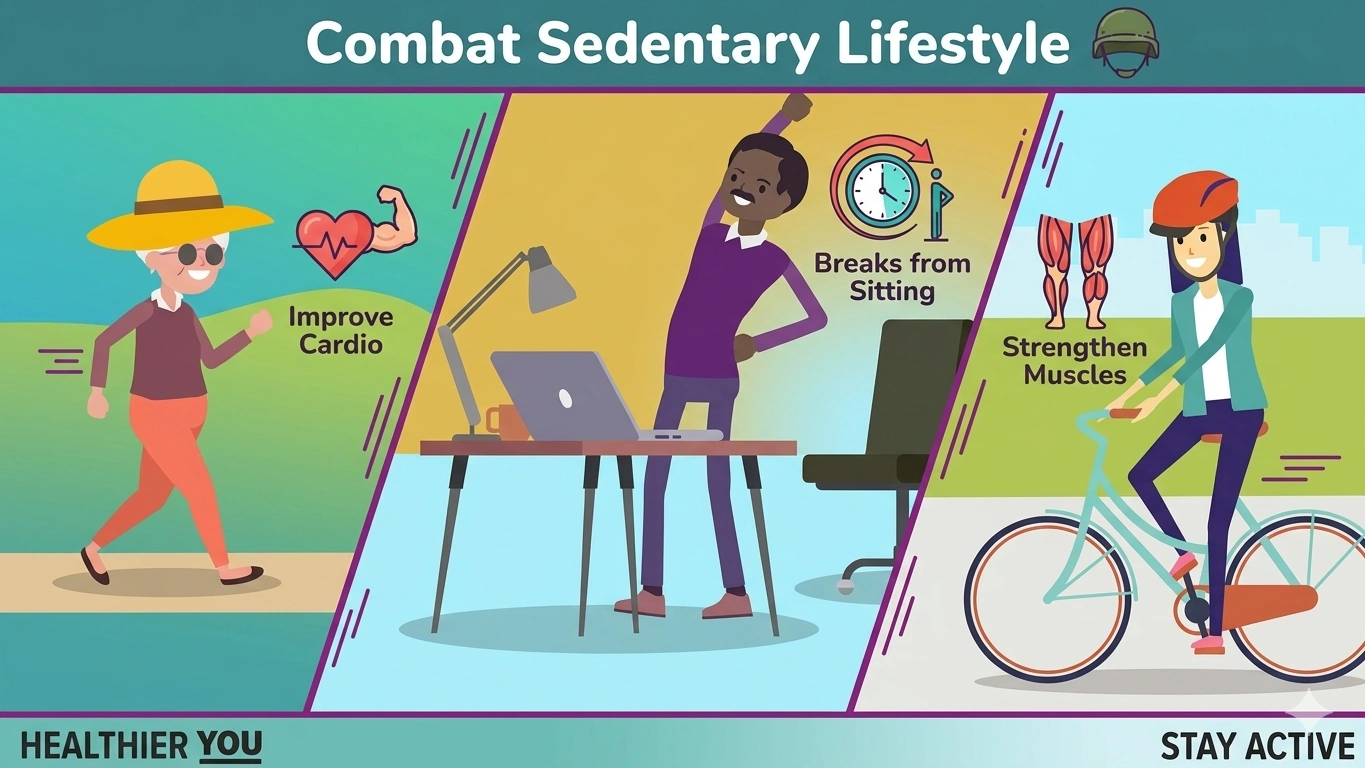
To optimize your metabolic performance, you don’t need to work up a sweat all day; simply incorporate “muscle contraction” cues into your workday.
- Establish a “stand-up wake-up” routine by following the “20-2 rule”: for every 20 minutes of sitting, stand up and engage in light movement for 2 minutes. This effectively flattens the post-meal blood glucose curve.
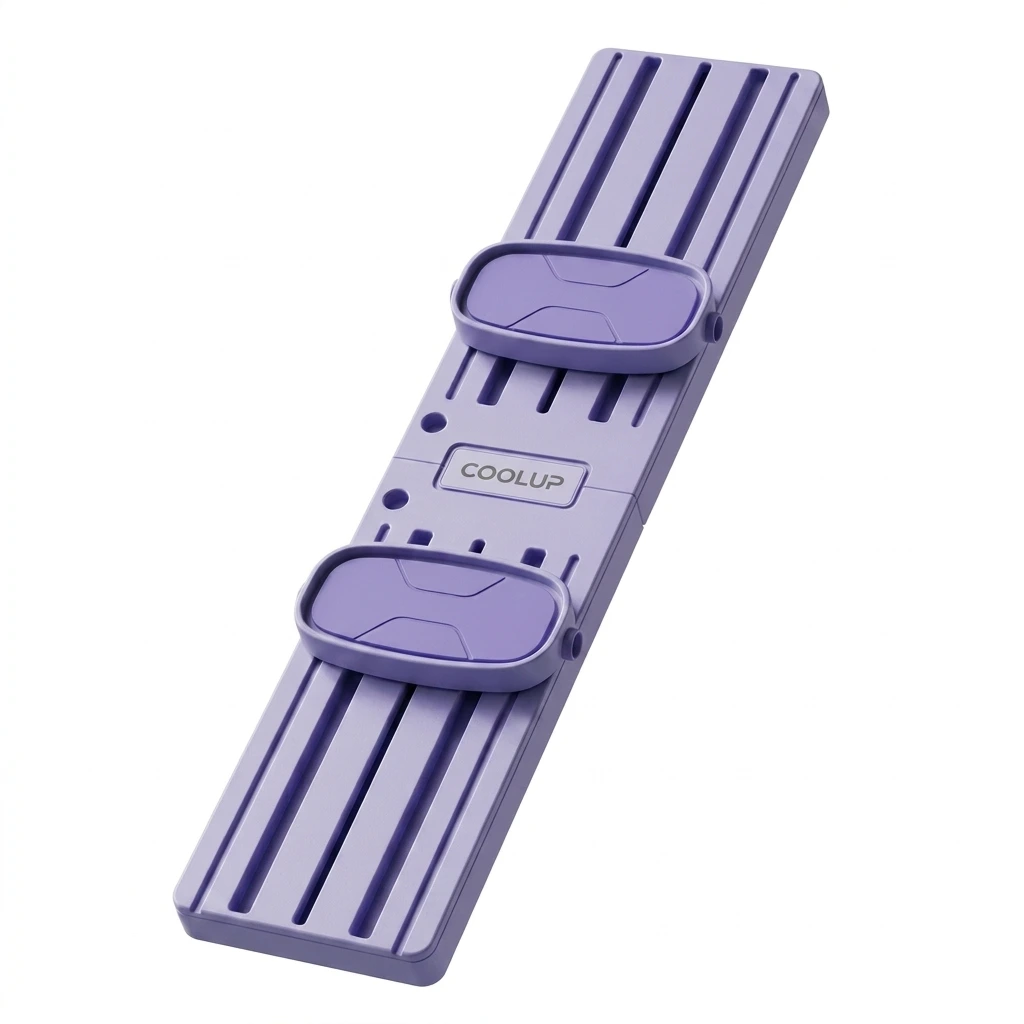
- Incorporate light Pilates-style support: when you stand up, perform 2 minutes of targeted stretching using our EasyLean Pilates aid. This not only activates your muscles but also corrects postural issues—such as rounded shoulders and forward head posture—caused by prolonged desk work.
- Practice workplace “micro-movements”: periodically shift your sitting position or use a foam roller to gently release tension in your spine; avoid letting your body remain in a static, rigid state for hours on end.
Scientifically Proven: Get Moving, Cut Your Risk in Half
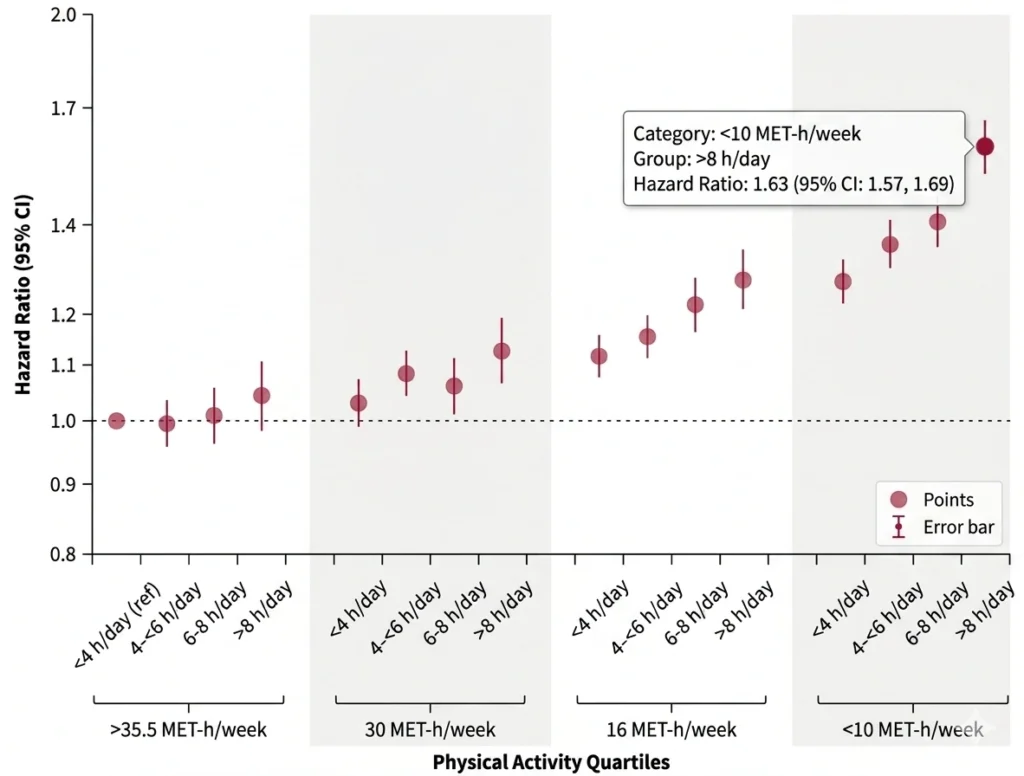
A long-term study of over 480,000 office workers, published in The Lancet, reveals that prolonged sedentary behavior at work significantly increases the risk of cardiovascular disease. However, the good news is that engaging in just 15 to 30 minutes of leisure-time physical activity daily can lower the risk of all-cause mortality to a level comparable to that of workers who are not sedentary.
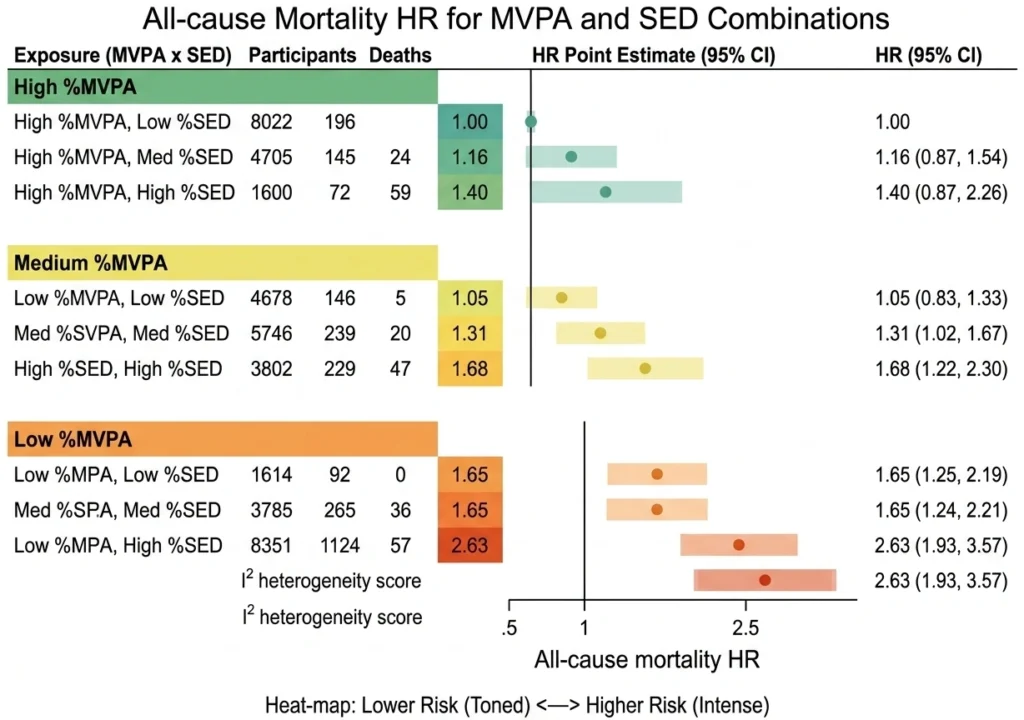
There is no need to feel anxious about this; the office chair is not the enemy, but it represents an environment for which evolution never prepared us. Acknowledging this—and taking steps to break this “muscular silence”—is your first step toward a highly productive and healthy life.
Reference material
- Core basis of the original text: Occupational Sitting Time, Leisure Physical Activity, and All-Cause and Cardiovascular Disease Mortality (Wayne Gao et al., 2024 – Latest long-term follow-up analysis regarding workplace sedentary behavior)
- Theoretical basis of core metabolism: Sedentary physiology: metabolic and immune consequences of inactivity (Pinto et al., 2023 – discusses in detail why a sedentary lifestyle is a physiological state independent of exercise)