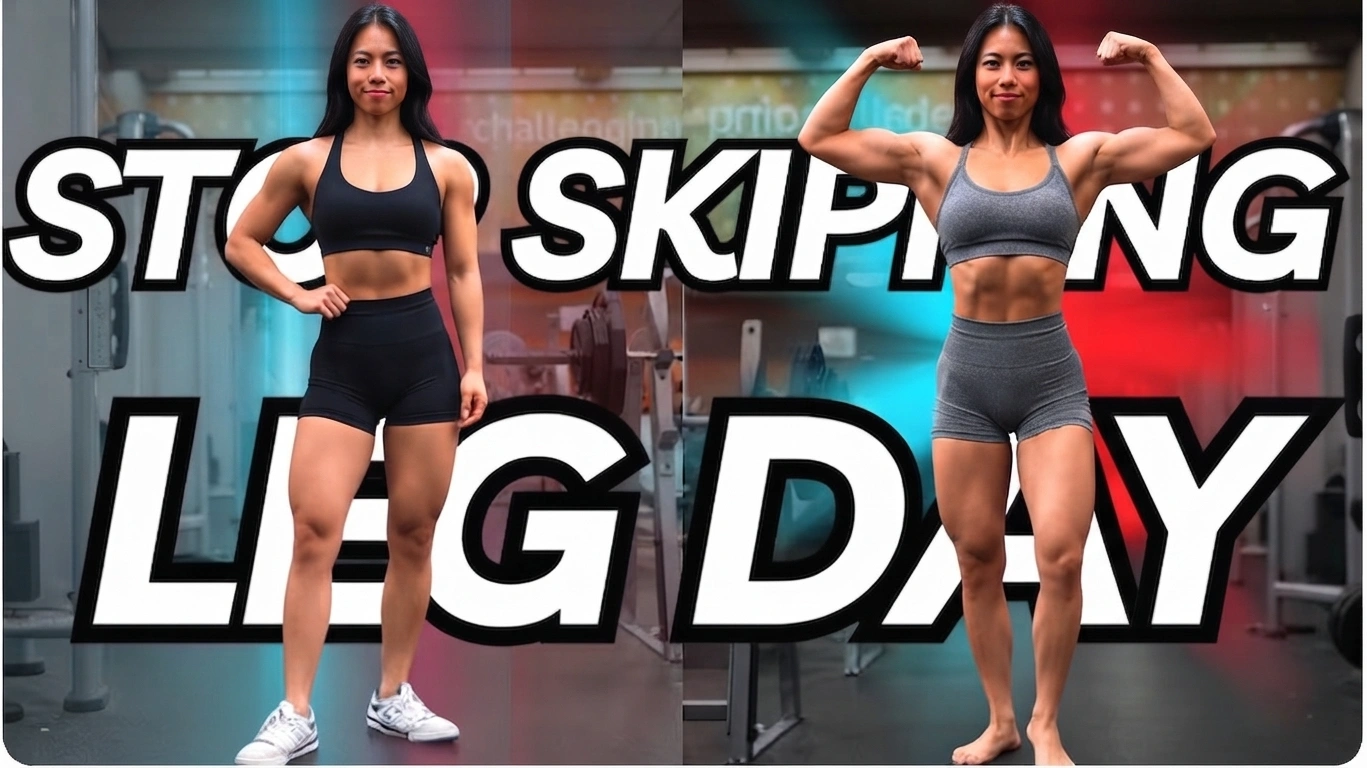
In the fitness community, there is an unwritten, universal truth: consistency is fluid, upper-body days are a breeze, but “Skip Leg Day” is an absolute mood.
Scroll through social media, and the complaints about lower-body workouts are endless. It is no secret that many fitness enthusiasts absolutely hate leg day. You’ll hear things like, “Every single leg day makes me want to gag,”“The soreness lasts a week; I can’t even sit on the toilet,” or “The lack of oxygen gives me a massive headache.” Compared to upper-body training—where you get that instant, highly visible mirror pump (hello, defined shoulders and abs)—lower-body workouts often feel like a high-cost, slow-return, pure-torture routine.
Why is our body biology so hardwired to resist leg day? More importantly, as modern women, how can we outsmart this mechanism and train our lower bodies with elegance and ease?
🛑 The Science and Psychology Behind Why We Hate Leg Day
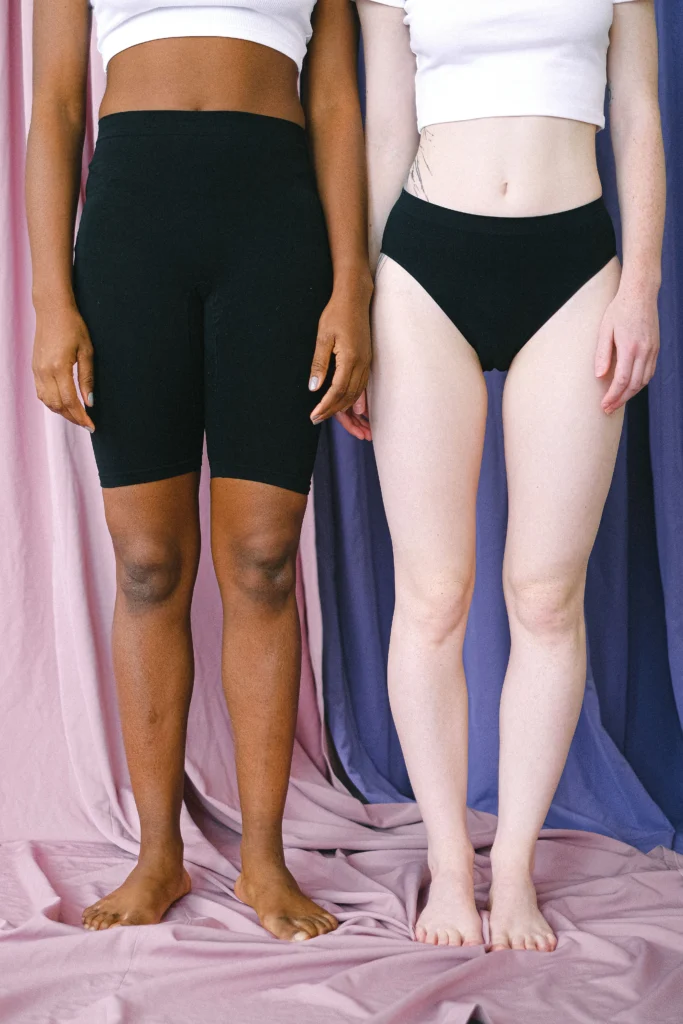
Your resistance isn’t driven by a lack of willpower. It is your body’s physiological and psychological defense mechanisms working together to “talk you out” of it.
1. The Dreaded “Exercise-Induced Nausea”: Spiked Heart Rates & Oxygen Debt
Your lower body houses your largest muscle groups—including the quadriceps and glutes—accounting for over 50% of your body’s total muscle mass. When performing heavy squats or intense lower-body work, your nervous system must instantly redirect a massive volume of blood down to your legs.
- The Professional Insight: In sports medicine, this often triggers Exercise-Induced Nausea. Because of gravity, blood pools heavily in your lower limbs, delaying its return to your upper torso and leaving your gastrointestinal tract temporarily deprived of oxygenated blood. Furthermore, holding your breath during exertion can cause the Valsalva Maneuver, pushing the body into a state of localized oxygen debt and metabolic acidosis due to rapid lactic acid accumulation. This is the root cause of the dizziness, nausea, and cold sweats.
2. Grueling Recovery Cycles and High “Lifestyle Costs”
Smaller upper-body muscles heal efficiently, often requiring just 48 hours of rest. Conversely, the Delayed Onset Muscle Soreness (DOMS) brought on by heavy leg days causes deep fascial tightness that can take 4 to 7 full days to resolve. Walking like a penguin and struggling down staircases heavily disrupts your daily commute, work productivity, and quality of life.
3. The Self-Sabotaging Myth of “Total Exhaustion”
Influenced by the old-school “No pain, no gain” mentality, many women mistakenly believe a leg workout is wasted unless they leave the gym with shaking legs. This constant pursuit of absolute failure creates a deep psychological fear and avoidance over time.
4. Aesthetic Anxiety: The Wardrobe Fear
Many women actively avoid lower-body exercises because they worry, “My thighs will get too bulky, and I won’t be able to fit into my favorite pants.”
🔄 The Plot Twist: Why We Can’t Actually Abandon Our Lower Body

Despite the discomfort, completely ghosting your lower body comes at a much higher price than you think.
1. The Ultimate “Fat-Burning Engine” and Blood Sugar Buffer
Your legs are your body’s primary calorie-consuming furnace. Skipping lower-body training means shutting down your strongest metabolic driver. Having adequate lower-body muscle mass elevates your resting metabolic rate and serves as a natural buffer for regulating blood sugar.
2. Knee Pain and Bulky Calves? The Culprit is Actually “Muscular Compensation”
Many women completely avoid leg workouts, only to find their calves getting bulkier and their knees aching at a young age.
- The EasyLean Perspective: Prolonged sitting leads to weak glutes—a phenomenon known as Dead Butt Syndrome. When you walk, run, or attempt an occasional squat, your glutes fail to fire properly. To keep you moving, your body forces your gastrocnemius (calves) and quadriceps to overcompensate. This chronic compensation pattern is exactly why some women notice unwanted muscle bulk in their calves and early knee joint degeneration. As one online commenter accurately shared: “My knees used to ache all the time. Since I started focusing on consistent, targeted lower-body workouts, my knee pain has completely vanished.”
🧘♀️ The EasyLean Alternative: Smarter, Fluid Lower-Body Sculpting at Home
“Practice easy. Live lean.”
Leg day was never meant to be a grueling punishment underneath a heavy gym barbell. What the modern urban woman truly needs is low-impact, high-reward lower-body styling that focuses on long, lean muscle lines. By stripping away the excessive weight, you can achieve a firm, healthy, and toned lower body without the trauma.
                    [ Traditional Heavy Leg Day ] vs [ EasyLean Fluid Sculpting ]
    High Intensity/Heavy Weight ───> Exhaustion & Nausea ───> 7-Day Recovery ───> Mental Burnout ❌
    Low-Impact/Fluid Resistance ───> Targeted Activation ───> Rapid Recovery  ───> Daily Ritual 👍
1. Shift Your Strategy: Lead with the Glutes to Shape the Lines
For women, lower-body workouts should lean heavily into glute-dominant, integrated movements (such as Romanian deadlifts, Bulgarian split squats, and side-lying Pilates leg raises). The goal is to reawaken the dormant gluteus maximus and medius so they can take the workload off your joints. This delivers a lifted, sculpted seat and improved posture while keeping your front thighs sleek.
2. Low-Impact Home Alternatives: Engaging, Efficient, and Spine-Friendly
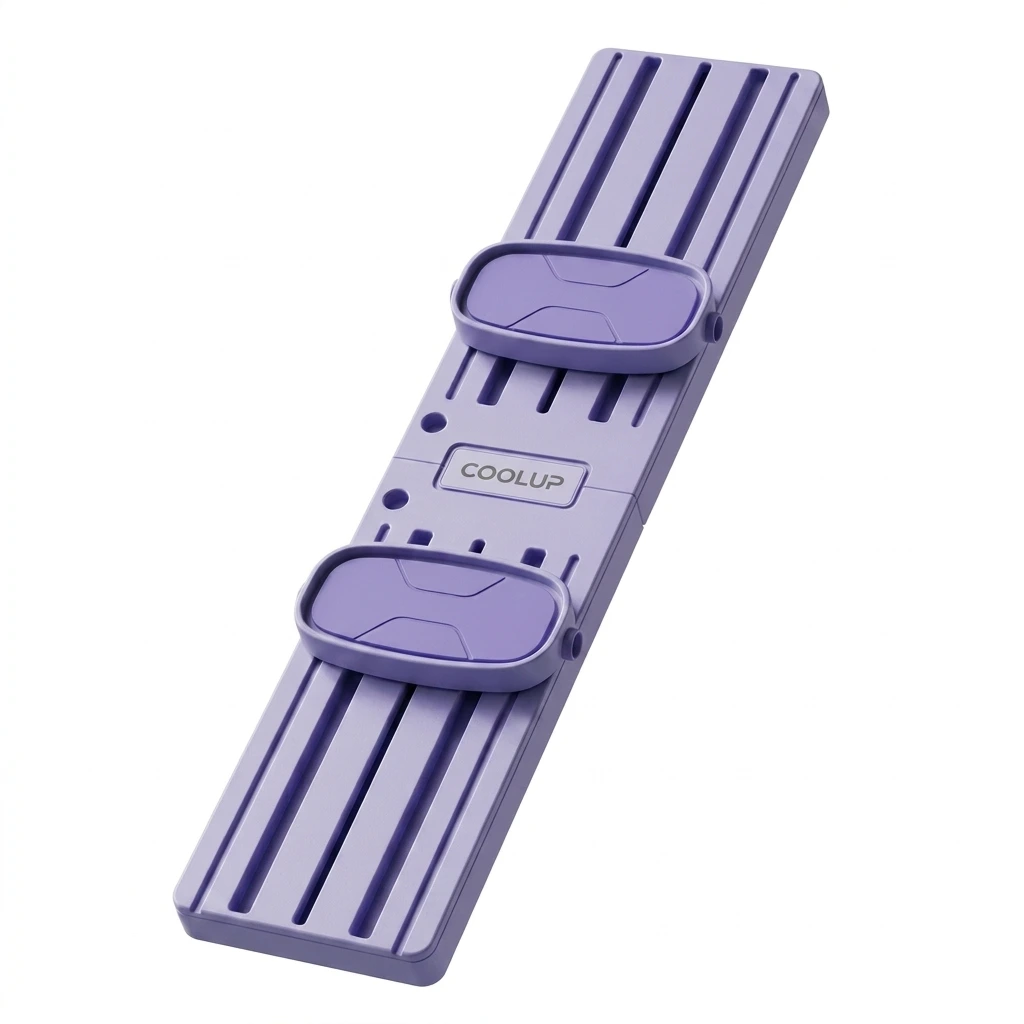
- EasyLean Lateral Ski Machine: Traditional squats are notoriously unforgiving on individuals dealing with lumbar disc issues or knee sensitivity. Our Ski Machine simulates fluid, playful lateral gliding. It deeply activates the hard-to-reach inner thigh muscles (adductors) and core stabilizers while placing virtually zero impact on your knee joints. It is highly engaging, keeps your heart rate in a sweet fat-burning zone, and won’t leave you gasping for air.
- Ultimate Portable Pilates Reformer Board & Long Resistance Bands: By utilizing adjustable, fluid resistance, you can perform targeted movements like Pilates donkey kicks and lateral walks. This increases time under tension to micro-sculpt lower-body definition without triggering the debilitating muscle soreness caused by heavy free weights.
3. Turn Recovery into a Luxurious Ritual
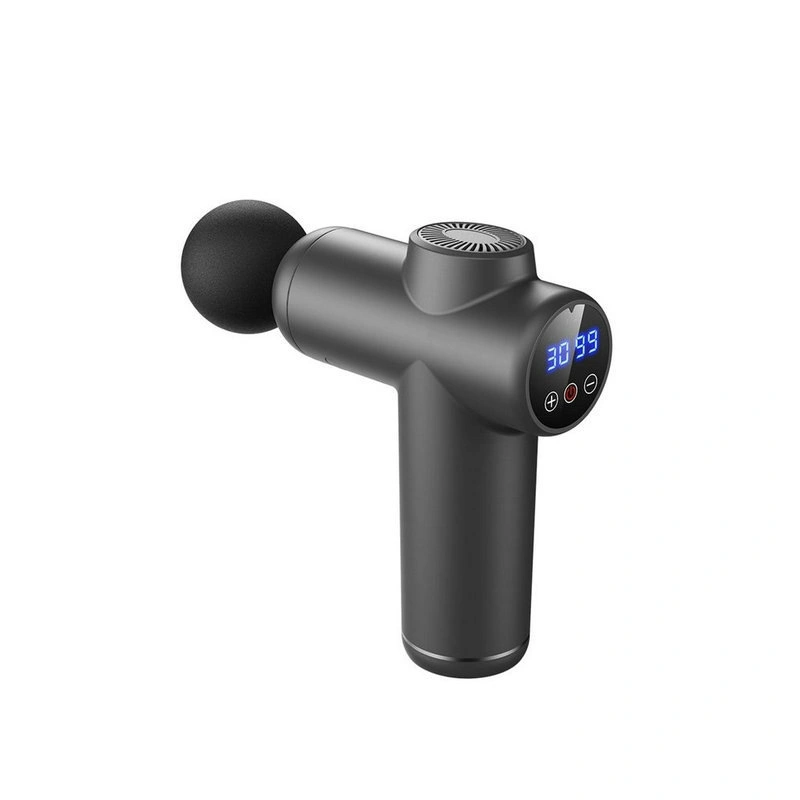
The tightness following a workout can be easily dissolved with gentle myofascial release. Instead of suffering through days of stiffness, spend a few minutes post-workout using the EasyLean 360° Ring Roller Massager or our foam rollers to glide through tight fascia along your outer thighs and calves. This practice promotes lower-limb circulation, flushes out lactic acid, reduces fluid retention for slimmer lines, and—as our community notes—boosts full-body blood flow to relieve tech-neck and shoulder stiffness from sitting all day.
✍️ Final Thoughts
Our legs are the foundation that allows us to explore the world. Go ahead and cross “Leg Day” off your calendar for good—and replace it with a “Lower-Body Immersion & Wellness Ritual”.
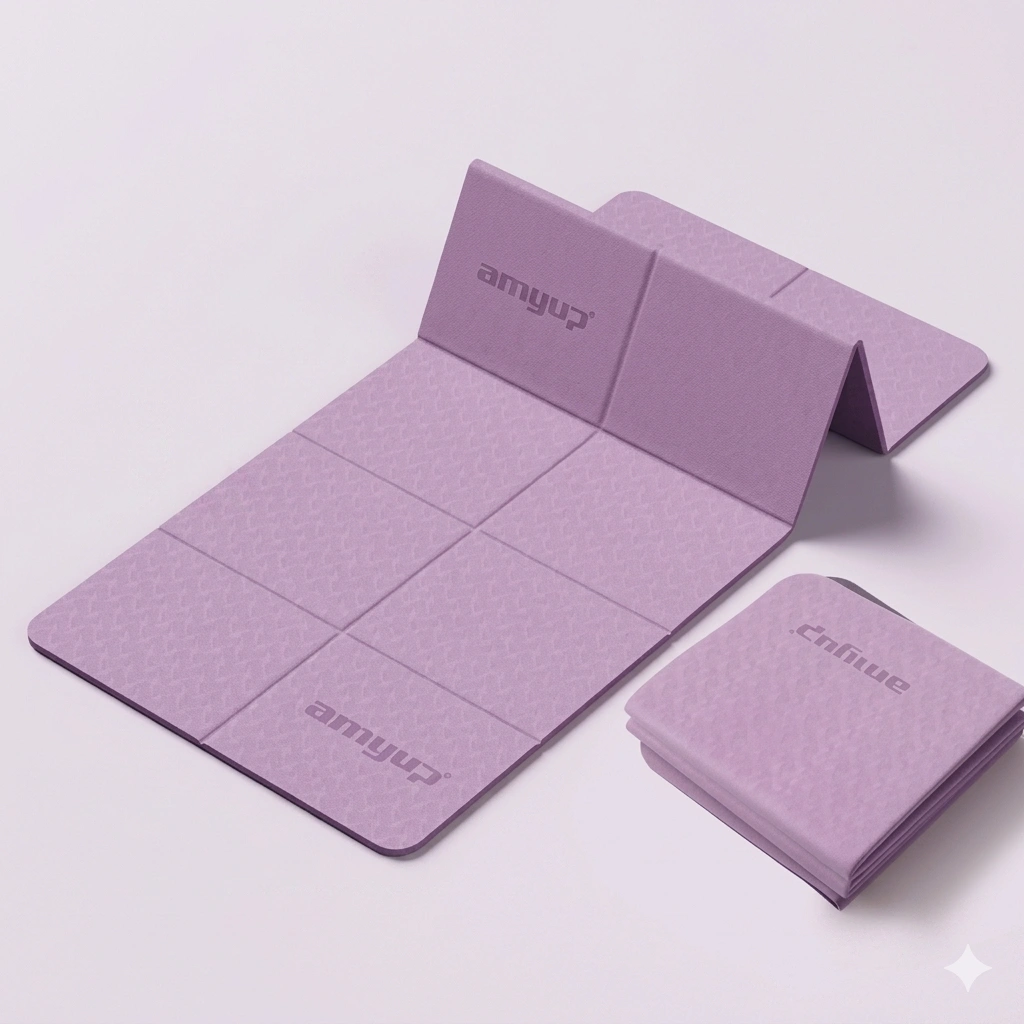
Find a sunlit corner in your living room, unroll your mat, step onto a fluid ski machine, or stretch against the smooth resistance of a Pilates board. Ditch the self-inflicted strain and embrace comfort. That is the essence of a modern, balanced home-fitness lifestyle. You don’t have to hate leg day anymore when you can sculpt your body gracefully at home.
💬 Let’s Chat!
What is your absolute least favorite leg exercise? Have you ever experienced calf tightness from sitting too long at a desk? Share your home sculpting journey in the comments below—we’ll choose 3 lucky winners to receive an EasyLean lightweight Pilates resistance band!