

When you hear the term “resistance training” or “weight lifting,” what’s the first image that pops into your mind? Massive bodybuilders straining under heavy iron? If that’s keeping you away from the weight section, it’s time to change the narrative.
When it comes to body styling, I am not just talking about heavy powerlifting; I am talking about the true benefits of resistance training. Whether you are using your own body weight at home or picking up a pair of cute dumbbells, this type of training is the ultimate hack for longevity, confidence, and metabolic health. Let’s break down why you need it and how to start easily.
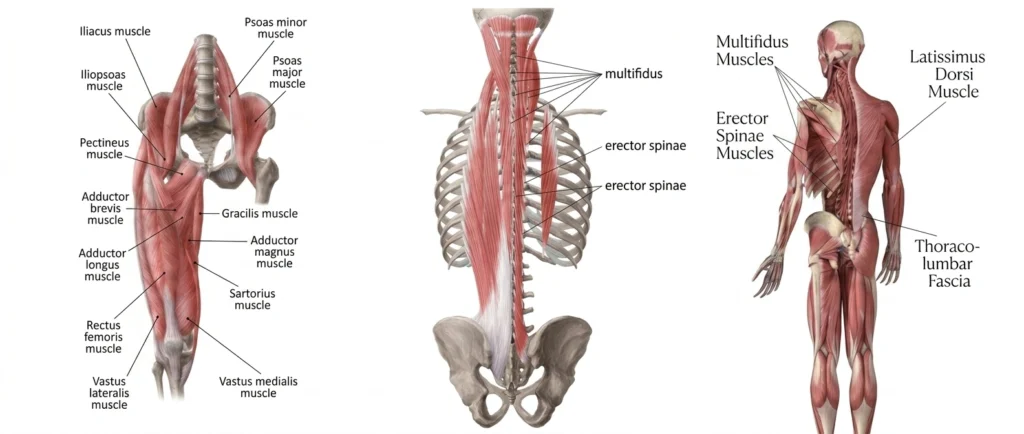
Erector Spinae: The powerful muscle group running along your back, serving as the “steel pillars” of your posture to keep you standing tall.
Latissimus Dorsi: Commonly known as the “wings,” this is the largest muscle in your upper body that shapes your toned V-line back alignment.
Thoracolumbar Fascia: Not a muscle, but a heavy-duty connective web wrapping your lower back, functioning as a biological bridge to transfer power between your upper and lower body.
Resistance training is far more than just “building surface muscles.” According to a recent fitness feature by People’s Daily, it is an all-around system to optimize your body from the inside out—making it the ultimate long-term investment for your wellness journey.
When we lift, we are activating the body’s deep stabilizing muscles (like the multifidus and rotator cuff). These hidden powerhouses are responsible for your posture and joint safety.
By waking up these deep muscles, resistance training offers massive improvements in:
- Balance & Stability: Preventing unexpected slips or stumbles.
- Flexibility & Range of Motion: Keeping your joints moving smoothly.
- Muscle Coordination & Reaction Time: Teaching your body to move as a cohesive, efficient unit in daily life.
When it comes to body styling, I am not just talking about heavy powerlifting; I am talking about the true benefits of resistance training. Whether you are using your own body weight at home or picking up a pair of cute dumbbells, this type of training is the ultimate hack for longevity, confidence, and metabolic health. Let’s break down why you need it and how to start easily.
The Hidden Benefits of Resistance Training
According to Dr. Gary Liguori and clinical exercise physiologists from the American College of Sports Medicine (ACSM), resistance training plays a vital role in enhancing muscle strength and boosting overall athletic performance.
Fighting Muscle Loss
Science shows that after the age of 30, adults naturally lose about 3% to 5% of their muscle mass per decade. For those who are completely sedentary, this rate accelerates dramatically after 50. However, clinical studies reveal that consistent resistance training can reverse this clock. Regular lifters can preserve up to 90% of their youthful muscle mass, effectively keeping their biological movement age 10 to 15 years younger than their chronological age. This ensures that as you enter your golden years, you can walk confidently without relying on a cane or walker, and fully prevents that age-related hunchback, keeping your spine upright and elegant.
Boosting Metabolism
Additionally, resistance training is crucial for increasing your basal metabolic rate (BMR). Muscle tissue is incredibly energy-hungry. By increasing your muscle density, your body automatically burns more calories every single day, even when you’re chilling on the couch, making long-term weight management one of the most effortless benefits of resistance training.
Protecting Bone Health
When exploring the health aspects, the benefits of resistance training on skeletal health are profoundly positive. Bone density naturally declines with age, leaving many elderly individuals vulnerable to severe osteoporosis where a simple fall can lead to life-threatening hip fractures. In sharp contrast, individuals who engage in regular strength training boast significantly higher bone mineral density. The mechanical loading from weights signals the bones to remodel and thicken, building a built-in “armor” that drastically lowers the risk of fractures and dangerous slips in everyday life. At the same time, it shapes a tight, toned silhouette, making your body lines clear and beautiful.
Resistance training acts as our personal time machine, effectively fighting aging and maintaining that healthy, functional lean muscle. But the perks go way deeper than that:
- Build Sculpted, Defined Lines: Forget the fear of looking “bulky.” For women, resistance training creates a tight, toned, and beautifully defined silhouette that cardio alone simply cannot replicate.
Smart Training: Pre-Workout Preparation
Before diving into your workout, proper preparation makes your training safer and more efficient. First, you should design a scientific and reasonable training plan tailored to your body status and fitness goals.
If your goal is hypertrophy (building muscle size), you should choose heavier weights with lower repetitions (8 to 12 reps per set). If you want to improve muscular endurance, you can use lighter weights with higher repetitions (15+ reps per set).
Author’s Note: As a fitness blogger, this is exactly the philosophy I live by in my personal routine. Depending on my weekly goals, I alternate between heavy hypertrophy sets and high-rep endurance sets. In fact, I dive deep into how I schedule these blocks in my previous guide on whether you should do strength or cardio first. Your training plan should always be adjusted as your body adapts. Ultimately, the best workout plan is the one you can actually stick to.
Secondly, the pre-workout warm-up is critical. It usually requires 5 to 10 minutes of dynamic stretching, such as high knees or jumping jacks, combined with a few light warm-up reps targeting your specific muscle groups to effectively prevent workout injuries.
Your Daily Workout Menu: Bodyweight vs. Equipment
You don’t need a fancy gym membership to start your strength journey. Depending on your mood and location, you can choose between two main workout styles.
Option 1: Bodyweight Exercises (No Gear Needed)
These movements utilize your own body weight as resistance without requiring extra gear, making them perfect for home workouts or outdoor sessions.
- Push-Ups: Engages your chest, triceps, and shoulders while forcing your core to stay stable. Pro-tip: If you experience wrist discomfort when pressing against the floor, wearing our Professional Pilates Yoga Gloves can be a game-changer. The silicone anti-slip pads on the palms provide shock absorption and cushioning, significantly reducing the risk of wrist strain while helping you more precisely sense your muscles’ points of engagement.
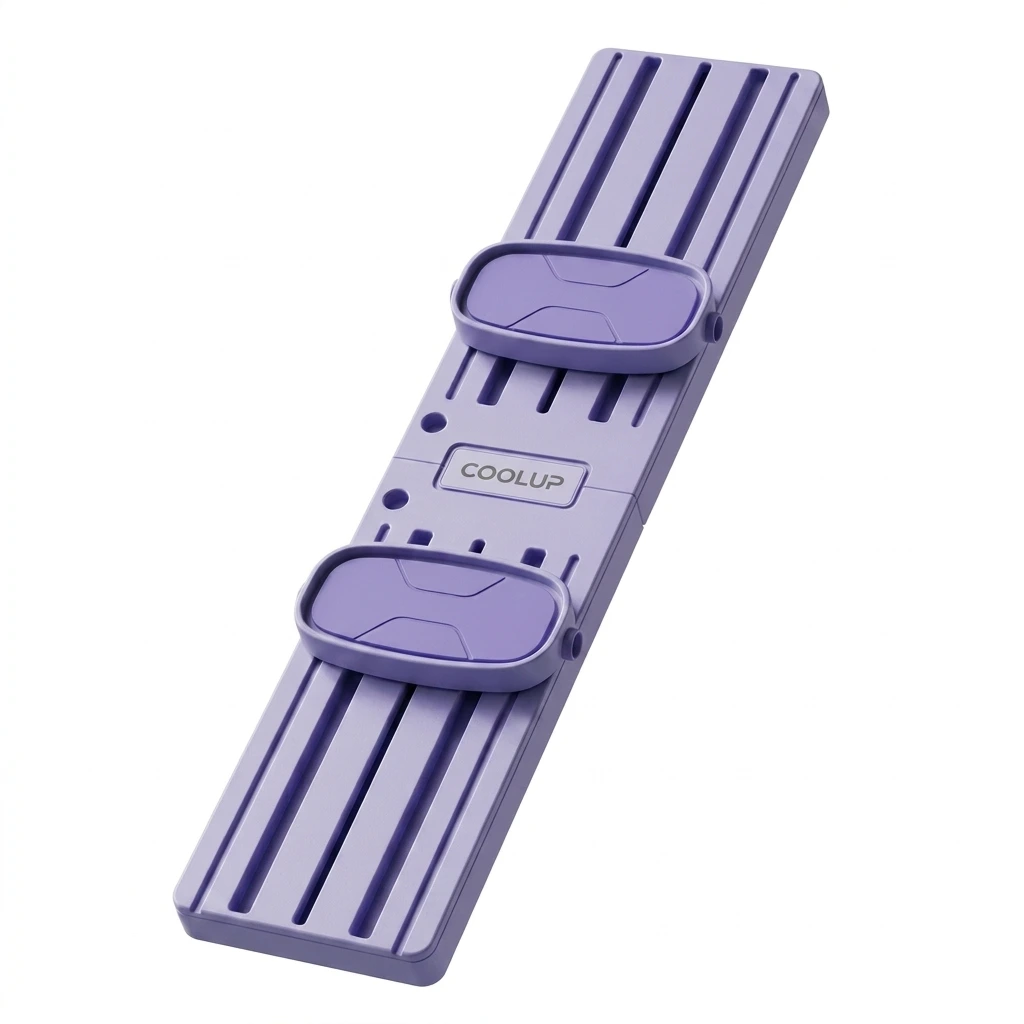
- Planks: Keeping your body in a straight line relies heavily on your core muscles, which effectively builds your deep abdominal and lower back strength. To upgrade your home core setup, utilizing dynamic tools like the Portable Pilates Reformer Board can maximize muscle fiber recruitment.
- Sit-Ups: A common movement for strengthening the rectus abdominis through abdominal contraction. For flawless form without your feet lifting off the ground, using a stable Suction Sit-Up Bar with Resistance Bands gives you the perfect counter-stability.
- Squats: Utilizing lower-body and glute strength to complete the lowering and standing motion. It targets your thighs and glutes, acting as the foundation for lower-body power. You can also pair this with a Portable Ski Machine Simulator to boost your lower-body coordination.
- Pull-Ups: Utilizing arm and back strength to pull your body toward a bar, mainly targeting the latissimus dorsi, biceps, and shoulder muscles to build upper body power.
Option 2: Assisted Training (Levelling Up with Gear)
These workouts use external equipment or resistance, making them ideal for gym environments or well-equipped home setups:
- Dumbbell & Barbell Training: Holding dumbbells for curls or shoulder presses allows you to flexibly target arms, chest, back, and shoulders. When transitioning to heavy training, protecting your hands from calluses and stabilizing your grip is crucial. A pair of stylish Women’s Workout Gloves with Wrist Support in chic pink offers the ultimate blend of aesthetic and heavy-duty wrist protection.
- Resistance Band Training: Utilizing the elasticity of bands can simulate dumbbell and barbell effects while providing amazing portability and flexibility for home or travel use. Try our versatile Purple Long Latex Resistance Band for full-body rows and extensions anywhere.
- Sandbag Training: Sandbag training is an incredibly safe and functional way to train the human body. Biomechanically, sandbag movements perfectly replicate the primal, natural movement patterns of our upright bipedal ancestors—lifting, carrying, loading, hoisting, and swinging shifting loads. Unlike rigid iron gym machines, the dynamic weight of a sandbag is exceptionally friendly to your joints and connective tissues. It builds unmatched endurance for daily activities, ensuring that you will no longer easily throw out your back or suffer from chronic muscle fatigue in daily life.
- Kettlebell Training: Due to its unique shape and weight distribution, it is perfect for dynamic swings and squats, improving explosive power, coordination, and cardio endurance.
- Machine Training: Gym equipment like leg extensions or rowing machines provide a stable movement track, making it easy to isolate target muscles safely, which is perfect for beginners.
Smart Training: Golden Rules for Beginners
Ready to pick up some weights? Keep these expert-approved guidelines in mind to keep your routine safe, chic, and sustainable:
“Form and safety are everything. If you are entirely new to lifting, always consider seeking guidance from a professional coach for your first few sessions.”
1. Tailor the Weights to Your Goal
If your current goal is to sculpt and tone muscle size, focus on moderate weights where you can comfortably perform 8 to 12 repetitions per set. If you are focusing on building muscular endurance and stamina, drop the weight slightly and aim for higher reps (15+ repetitions per set).
2. Never Skip the Warm-Up
Spend 5 to 10 minutes doing dynamic movements like high knees or jumping jacks before your session. Follow it up with a few warm-up reps using zero weight to prep your target muscles and prevent annoying injuries.
3. Keep it Consistent, Not Overwhelming
More is not always better. For beginners, training 2 to 3 times a week is the sweet spot. Focus on 1 or 2 major muscle groups per session (such as a ‘Chest & Shoulders’ day or a ‘Legs & Core’ day). Rest for 60 to 90 seconds between sets to let your body breathe.
True progress comes from progressive overload. Start exactly where you are today with bodyweight moves, gently introduce weights as you get stronger, and never forget to refuel with good nutrition post-workout. You’ve got this!

Leave a Comment
You must be logged in to post a comment.